
A Simple Canvas
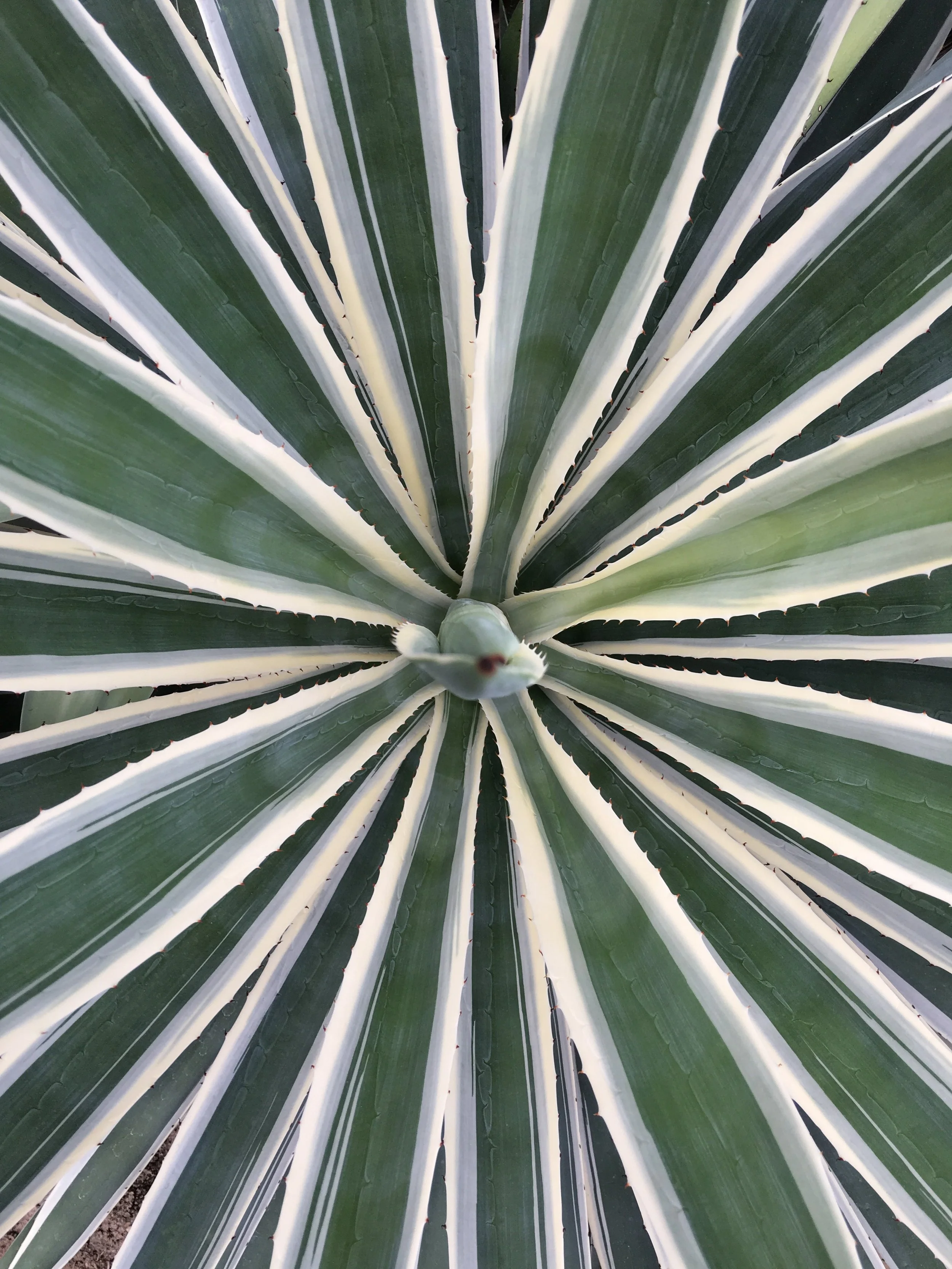
December 12th is the feast of Our Lady of Guadalupe, which commemorates apparitions of the Virgin Mary to St. Juan Diego in Mexico, 1531. Proof Our Lady’s appearance was given in the form of an image on the tilma, or cloak, of St. Juan. While much has been written about the miraculous image of the Virgin of Guadalupe, less has been said about its canvas.
St. Juan Diego was an Aztec, and before he was baptized Juan Diego, his name was Cuauhtlatoatzin (the talking eagle). Like most Azetc men, his outfit consisted of two pieces, a long loincloth known as a maxtli and a rectangular cloak, or tilma, tied over the right shoulder or chest. The tilma served two functions in Aztec society: 1) it was a sign of one’s rank and 2) it could be used as a blanket.
The upper crust of Aztec society could wear lavish costumes. Their fabrics were made of cotton and dyed vibrant colors. They wore gold, gems, exotic furs and dozens of brilliant feathers from tropical birds. But St. Juan Diego was no noble or king. As a simple farmer, his tilma was not allowed to go below his knees. It would have been utterly devoid of color and woven out of maguey, or agave, fiber.
Making agave fiber was a long and physically intense process usually relegated to Aztec men. The leaves of the great plant were hacked off, roasted and left to rot in a concoction of water and maize dough. The rotten leaves were then dried in the sun. Any remaining pulp was scraped and beaten out until only the fibers remained. These could be woven into thread. Garments made of agave fiber were course and stiff, not exactly a comfortable, luxury textile.
And yet, it is on this coarse, dull canvas that the Virgin Mother imprinted her likeness. The tawny cloak of a farmer denied the vibrant colors of the wealthy, became brilliant with turquoise, rose and gold. The fibers, rough and unyielding as the lives of those who wove it, is now inexplicably soft, silky to the touch. The agave tilma, as disposable as the poor who wore it, should have only lasted a few decades before deteriorating, but it has now endured for nearly 500 years and shows no signs of decay.
And all this God did with plant fibers. Imagine what he can do with a soul . . .
Brian Rutter, PhD, is the cofounder of Hundredfold Video and plant biologist working for 2Blades at the University of Minnesota. Subscribe to our newsletter to receive our “Sower Stories – Odd Facts About Plants” and video production tips in your inbox every month!
Works Cited:
Aszyk-Treppa, Karolina, and Zbigniew Treppa. "11. The Tilma of Guadalupe." Sindonological lexicon (2025): 126.
Ludden, Andrea, and Continental Plaza Hotel. "AZTEC GARMENTS: FROM BIRTH TO FULFILLMENT." (1997).